

Health
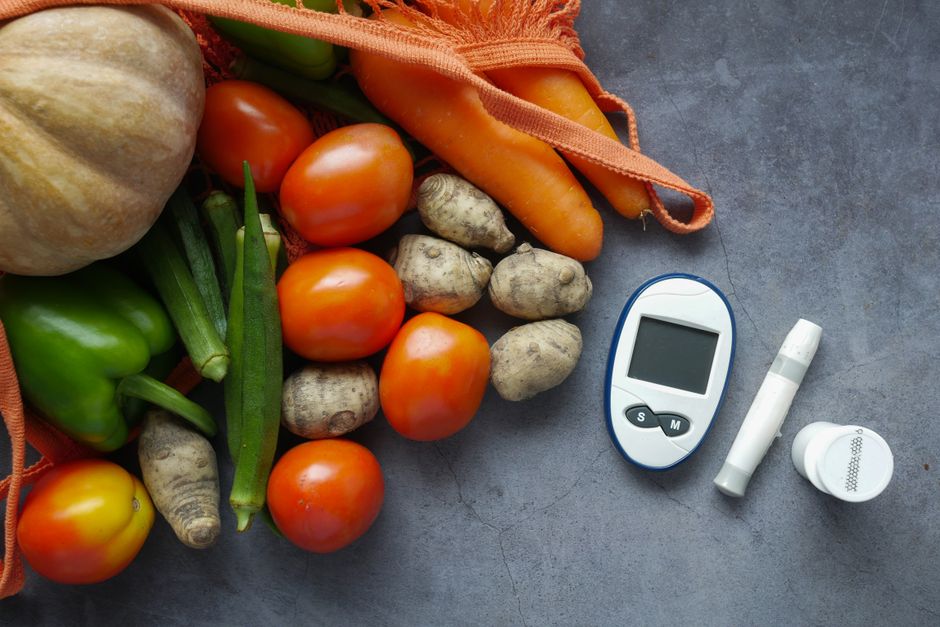
Best 20 Foods That Lower Blood Sugar Naturally
Discover the best 20 foods that lower blood sugar naturally, from leafy greens and legumes to berries and fatty fish, plus practical tips and answers to common questions about managing glucose through diet.

By
If you’ve ever felt that midafternoon crash after a carb-heavy lunch, you already know how much food affects your energy and mood. The good news is that certain foods that lower blood sugar naturally can help you avoid those spikes and crashes while supporting long-term metabolic health. Whether you’re managing prediabetes, type 2 diabetes, or simply want steadier energy throughout the day, what you put on your plate matters more than almost anything else.
In this guide, you’ll learn exactly which 20 foods have the strongest research backing for helping regulate blood glucose, why they work, and how to fit them into your everyday meals. We’ll also cover a few practical eating strategies and answer the most common questions people ask about blood sugar and diet.
Why Diet Plays Such a Big Role in Blood Sugar Control
Every time you eat, your body breaks carbohydrates down into glucose, which enters your bloodstream and triggers insulin release. When you regularly eat foods that digest quickly, such as white bread or sugary drinks, your blood sugar spikes sharply and then drops, leaving you tired and hungry again soon after.
Foods that lower blood sugar naturally tend to share a few common traits. They’re typically high in fiber, contain healthy fats or lean protein, and have a low glycemic index, meaning they release glucose slowly and steadily. As a result, your pancreas doesn’t have to work overtime producing insulin, and your energy stays more consistent.
According to the Mayo Clinic, consistent blood sugar management through diet can reduce the risk of complications associated with diabetes and metabolic syndrome. In addition, many of these foods offer antioxidants and anti-inflammatory compounds that support overall heart and metabolic health.
The Best 20 Foods That Lower Blood Sugar Naturally
Below is a detailed breakdown of the top foods worth adding to your grocery list. You don’t need to eat all of them every day, but rotating a handful into your meals can make a noticeable difference over a few weeks.
1. Leafy Greens (Spinach, Kale, Swiss Chard)
Leafy greens are low in carbohydrates and calories but high in fiber and magnesium, a mineral linked to better insulin sensitivity. Spinach and kale also contain antioxidants like lutein that support overall cellular health. Try adding a handful to smoothies, soups, or sautés for an easy nutrient boost.
2. Cinnamon
This common spice does more than add flavor. Several studies suggest cinnamon may help improve insulin sensitivity and slow the rate at which glucose enters the bloodstream after meals. A sprinkle on oatmeal, coffee, or yogurt is an easy way to work it into your routine.
3. Berries (Blueberries, Strawberries, Raspberries)
Berries are lower in sugar than most fruits and packed with fiber and anthocyanins, plant compounds shown to improve insulin response. They satisfy a sweet craving without causing the same glucose spike as candy or baked goods. Frozen berries work just as well as fresh in smoothies or on top of Greek yogurt.
4. Avocados
Avocados are rich in monounsaturated fats and fiber, both of which slow digestion and help prevent post-meal blood sugar spikes. They also contain very little sugar themselves. Adding a few slices to salads, toast, or eggs is a simple way to make a meal more blood sugar friendly.
5. Nuts (Almonds, Walnuts, Pistachios)
Nuts combine healthy fats, protein, and fiber, making them one of the most effective snacks for blood sugar control. Research has shown that eating almonds alongside carbohydrate-rich meals can blunt the glucose response. A small handful, around one ounce, is typically enough to see benefits without overdoing calories.
6. Legumes (Lentils, Chickpeas, Black Beans)
Legumes are loaded with soluble fiber and plant protein, which slow carbohydrate absorption significantly. They have one of the lowest glycemic index scores among starchy foods. Swapping rice for lentils or adding chickpeas to salads can make a real difference in post-meal glucose levels.
7. Broccoli
Broccoli contains sulforaphane, a compound being studied for its potential to improve insulin sensitivity and reduce blood sugar levels. It’s also high in fiber and low in calories, making it a versatile side dish. Steaming or roasting broccoli preserves more of its beneficial compounds than boiling.
8. Fatty Fish (Salmon, Mackerel, Sardines)
Fatty fish are rich in omega-3 fatty acids, which help reduce inflammation linked to insulin resistance. Unlike many protein sources, fish contains no carbohydrates, so it won’t raise blood sugar directly. Aiming for two servings a week is a widely recommended target for metabolic and heart health.
9. Chia Seeds
Chia seeds absorb liquid and form a gel-like substance in the stomach, which slows digestion and glucose absorption. They’re also an excellent plant-based source of fiber and omega-3s. Stirring a tablespoon into yogurt, oatmeal, or water is an easy way to include them daily.
10. Greek Yogurt
Plain Greek yogurt is high in protein and contains probiotics that may support gut health, which is increasingly linked to better blood sugar regulation. Choose unsweetened varieties, since flavored yogurts often contain as much sugar as dessert. Pairing it with berries or nuts adds fiber and healthy fat.
11. Apple Cider Vinegar
Some research suggests that consuming a small amount of apple cider vinegar before meals may improve insulin sensitivity and lower post-meal blood sugar spikes. A common approach is mixing one to two teaspoons in a glass of water before eating. It’s not a magic solution, but it can be a helpful addition alongside a balanced diet.
12. Oats
Oats contain beta-glucan, a soluble fiber shown to slow glucose absorption and improve insulin response. Steel-cut or rolled oats are preferable to instant varieties, which digest more quickly and can spike blood sugar faster. Topping oats with nuts or berries further slows digestion.
13. Sweet Potatoes
Despite being starchy, sweet potatoes have a lower glycemic index than white potatoes and are rich in fiber, vitamin A, and antioxidants. Portion control still matters, but they’re a nutrient-dense alternative to refined carbohydrates. Roasting or baking them with the skin on maximizes fiber content.
14. Garlic
Garlic has been studied for its potential to lower fasting blood sugar levels and improve overall metabolic markers. Its active compound, allicin, is thought to play a role in these effects. Adding fresh garlic to cooked meals is an easy, flavorful way to include it regularly.
15. Flaxseeds
Ground flaxseeds are high in fiber and lignans, compounds that may help improve insulin sensitivity. They also provide a good source of plant-based omega-3 fatty acids. Sprinkling ground flaxseed on cereal, salads, or smoothies is a simple way to boost intake without changing the taste much.
16. Bitter Melon
Bitter melon has a long history of use in traditional medicine for blood sugar support, and modern research has explored compounds in it that mimic insulin activity. It has a distinctly sharp taste, so it’s often cooked into stir-fries or soups to balance the flavor. It’s not for everyone, but it’s worth trying if you enjoy bold, savory dishes.
17. Okra
Okra is rich in soluble fiber and antioxidants, and some studies suggest it may help reduce blood sugar spikes after meals. It’s a staple in many Southern and international cuisines, often grilled, roasted, or added to stews. Its mild flavor makes it easy to incorporate into a variety of dishes.
18. Fenugreek Seeds
Fenugreek seeds contain soluble fiber that has been shown in multiple studies to help lower fasting blood sugar and improve glucose tolerance. They have a slightly bitter, nutty flavor and are commonly used in Indian cooking. Soaking the seeds overnight and consuming them in the morning is a traditional approach some people use.
19. Turmeric
Turmeric contains curcumin, a compound with strong anti-inflammatory properties that may help improve insulin sensitivity over time. Since curcumin absorbs better with black pepper and fat, combining turmeric with olive oil or coconut milk enhances its effects. It’s a great addition to soups, curries, and roasted vegetables.
20. Eggs
Eggs are virtually carbohydrate-free and provide high-quality protein that helps stabilize blood sugar throughout the morning. Studies have found that starting the day with a protein-rich breakfast like eggs can reduce glucose spikes at later meals too. They’re also one of the most versatile and affordable protein sources available.
How to Build Blood Sugar Friendly Meals
Knowing which foods help is only half the equation. How you combine them on your plate matters just as much for keeping blood sugar steady.
- Pair carbohydrates with protein or healthy fat to slow digestion.
- Choose whole, minimally processed grains over refined ones.
- Fill half your plate with non-starchy vegetables at most meals.
- Avoid drinking sugary beverages with meals, since liquid sugar spikes glucose fastest.
- Space meals evenly throughout the day instead of skipping and overeating later.
If you’re also trying to manage your weight alongside blood sugar, it helps to look at overall dietary patterns rather than individual foods. Our guide on popular weight loss foods in America covers additional options that work well alongside a blood sugar friendly diet.
Foods and Habits That Can Work Against You
While adding the right foods helps, it’s just as important to be mindful of what tends to spike blood sugar quickly. Refined carbohydrates like white bread, pastries, and sugary cereals digest fast and cause sharp glucose jumps. Sweetened beverages, including soda and many fruit juices, are especially problematic since liquid sugar enters the bloodstream almost immediately.
Highly processed snack foods, even ones marketed as “healthy,” often contain hidden sugars and refined starches that behave the same way in the body as candy or desserts. Portion size matters too, since even healthy carbohydrate sources like brown rice or oats can raise blood sugar significantly if eaten in large quantities. Alcohol, particularly sweet cocktails and beer, can cause unpredictable swings, sometimes spiking glucose and other times causing delayed drops, especially in people taking blood sugar medication.
Stress and poor sleep also deserve mention here, even though they aren’t foods. Chronic stress raises cortisol, which signals the liver to release more glucose into the bloodstream. Poor sleep reduces insulin sensitivity, making it harder for cells to absorb glucose efficiently. Combining a smart diet with stress management and consistent sleep gives your blood sugar control efforts a much better chance of success.
Sample One Day Meal Plan Using Blood Sugar Friendly Foods
Putting these foods into practice is easier with a simple example. Here’s what a balanced day might look like using several items from this list.
- Breakfast: Greek yogurt topped with chia seeds, cinnamon, and a small handful of berries.
- Lunch: Grilled chicken salad with leafy greens, avocado, chickpeas, and an olive oil vinaigrette.
- Snack: A small apple with a tablespoon of almond butter.
- Dinner: Baked salmon with steamed broccoli and a small portion of quinoa.
- Evening snack: A handful of walnuts or a cup of unsweetened green tea.
Notice how each meal combines fiber, protein, and healthy fat rather than relying on carbohydrates alone. This pattern is the core principle behind almost every food on this list working the way it does.
Frequently Asked Questions
Can these foods replace diabetes medication?
No. These foods can support healthy blood sugar levels and may improve insulin sensitivity over time, but they are not a substitute for prescribed medication. Anyone with diabetes or prediabetes should work closely with their doctor before making significant dietary changes, especially if they are on insulin or other glucose-lowering drugs.
How quickly can diet changes affect blood sugar?
Some effects, like the reduced glucose spike from pairing carbs with protein, happen within the same meal. Other benefits, such as improved insulin sensitivity from regular cinnamon or fiber intake, may take several weeks of consistent eating to become noticeable in blood test results like HbA1c.
Is fruit safe to eat if I’m watching my blood sugar?
Yes, whole fruits like berries, apples, and citrus are generally fine in reasonable portions because their fiber slows sugar absorption. The concern is more with fruit juice, dried fruit, and fruit-flavored snacks, which concentrate sugar and remove the fiber that normally slows digestion.
What’s the single best food for lowering blood sugar?
There isn’t one perfect food, but non-starchy leafy greens combined with a consistent intake of fiber-rich legumes tend to offer the most reliable, well-researched benefits. Consistency across many meals matters more than any single “miracle” ingredient eaten once in a while.
Should I avoid all carbohydrates to control blood sugar?
Not necessarily. The type and quality of carbohydrate matters more than eliminating carbs altogether. Fiber-rich, minimally processed carbohydrates like legumes, oats, and non-starchy vegetables digest slowly and have a much smaller impact on blood sugar than refined grains, sugary drinks, and processed snacks. Working with a healthcare provider or registered dietitian can help determine the right carbohydrate intake for your individual needs.
Putting It All Together
Managing blood sugar naturally isn’t about finding one magic ingredient. It’s about building a pattern of eating that consistently favors fiber, healthy fats, lean protein, and slow-digesting carbohydrates over refined sugar and highly processed foods. The 20 foods covered in this guide, from leafy greens and legumes to berries, nuts, and fatty fish, each bring something different to the table. Some slow digestion, some improve insulin sensitivity, and others help reduce the inflammation that often accompanies insulin resistance.
The good news is that you don’t need to overhaul your entire diet overnight. Small, sustainable swaps tend to work best. Try replacing white rice with quinoa or barley a few times a week. Add a handful of spinach or kale to your morning eggs. Snack on a small portion of almonds instead of crackers. Sprinkle cinnamon into your oatmeal or coffee. Over time, these small changes compound into meaningful improvements in how your body handles glucose.
It’s also worth remembering that diet is just one piece of the puzzle. Regular physical activity, quality sleep, stress management, and staying hydrated all play significant roles in blood sugar regulation. Combining these lifestyle factors with the foods outlined above gives you the best chance at achieving stable, healthy glucose levels over the long term.
For more general guidance on nutrition science and blood sugar management, resources like Healthline and Harvard T.H. Chan School of Public Health’s Nutrition Source offer well-researched, regularly updated information that can complement what you’ve learned here. And if you’re also focused on managing your weight alongside your blood sugar, you might find it helpful to check out our guide on popular weight loss foods in America, since many of the same principles, like prioritizing fiber and protein, apply to both goals.
Final Thoughts
Blood sugar management is a long-term project, not a quick fix, and food is one of the most powerful tools you have. By consistently choosing foods that are rich in fiber, healthy fats, and lean protein while limiting refined carbohydrates and added sugars, you can support your body’s natural ability to regulate glucose. Whether you’re managing prediabetes, type 2 diabetes, or simply want to feel more energized and avoid the afternoon energy crash, incorporating these 20 foods into your regular rotation is a smart, evidence-based place to start. Talk to your doctor or a registered dietitian before making major changes, especially if you’re on medication, and remember that consistency over time will always beat any single “perfect” meal.
Related Posts