Automotive
Best 20 Electric Vehicle Dealers in California (2026 Buyer’s Guide)
A comprehensive 2026 guide ranking the top 20 electric vehicle dealers across California, covering inventory, service quality, incentives, and buyer tips for choosing the right EV dealership.

By
California sells more electric vehicles than any other state in the country, and that means buyers here have an enormous amount of choice. Choosing the right dealer, however, can be just as important as choosing the right car. A great electric vehicle dealer in California will help you understand rebates, charging infrastructure, battery warranties, and financing options that are unique to EV ownership.
In this guide, we break down the 20 best electric vehicle dealers across California, covering everything from Tesla and Rivian stores to legacy dealership groups that have built out serious EV departments in Los Angeles, San Francisco, San Diego, Sacramento, and beyond. You’ll also learn what separates a good EV dealer from a mediocre one, how California’s rebate programs work, and what questions to ask before you sign anything.
Whether you’re shopping for your first electric vehicle or trading in a gas-powered car for something greener, this list will save you hours of research and help you avoid dealerships that don’t actually know how to support EV owners long term.
Why Choosing the Right Electric Vehicle Dealer in California Matters
Buying an EV isn’t quite like buying a traditional gas car. There are new variables to consider, including charging speed, battery degradation, software updates, and state or federal incentives that change year to year. As a result, the dealership you choose plays a bigger role in your ownership experience than it might for a conventional vehicle purchase.
A knowledgeable electric vehicle dealer in California should be able to:
- Explain the difference between Level 2 home charging and DC fast charging
- Walk you through California Clean Vehicle Rebate Project (CVRP) eligibility
- Help you understand federal tax credit rules under the current Inflation Reduction Act guidelines
- Offer transparent battery warranty terms (typically 8 years or 100,000 miles)
- Provide loaner EVs or service shuttles during maintenance visits
- Have certified EV technicians on staff, not just gas-engine mechanics
With that framework in mind, let’s get into the list.
The 20 Best Electric Vehicle Dealers in California
1. Tesla Fremont Delivery Center (Fremont)
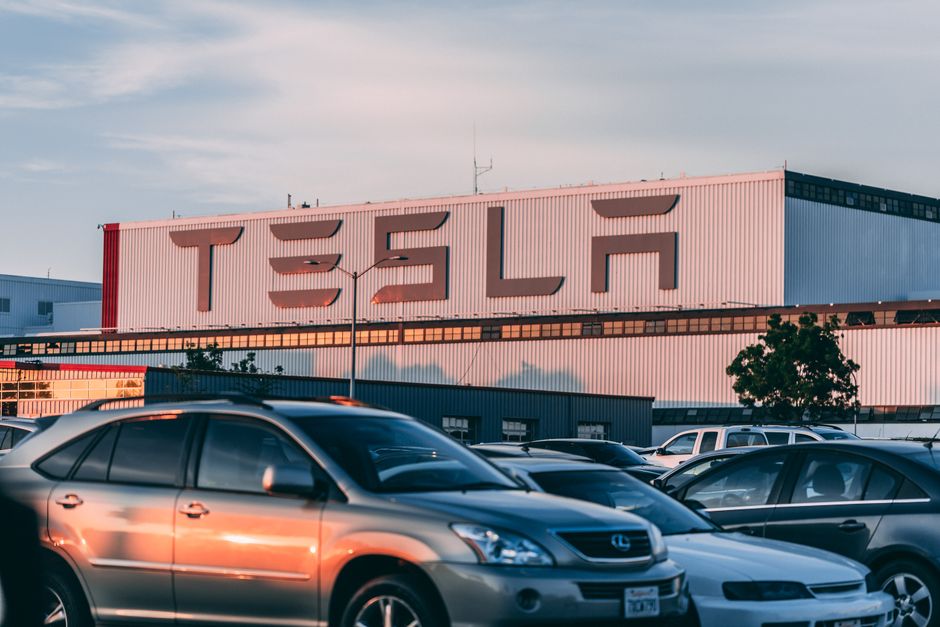
As Tesla’s flagship factory and delivery hub, the Fremont location handles an enormous volume of Model 3, Model Y, Model S, and Model X deliveries. Buyers appreciate the streamlined online ordering process paired with an in-person delivery experience, and the on-site service center makes routine maintenance simple for Bay Area residents.
2. Tesla Santa Monica (Santa Monica)
This Westside showroom is one of the busiest Tesla locations in Southern California, known for fast test-drive scheduling and a strong inventory of used Tesla vehicles with certified pre-owned warranties. It’s a convenient stop for LA-area buyers comparing the Model Y against competitors like the Ioniq 5 or Mustang Mach-E.
3. Rivian San Jose (San Jose)
Rivian’s San Jose space combines a showroom with a service center, making it a strong choice for buyers interested in the R1T electric pickup or R1S SUV. Staff here are particularly well versed in off-road capability and towing specs, which matters for California’s outdoor-recreation crowd.
4. Lucid Studio Costa Mesa (Costa Mesa)
Lucid’s Costa Mesa studio is a favorite for luxury EV shoppers comparing the Lucid Air against Tesla’s Model S or the Mercedes EQS. The by-appointment model means longer, more personalized consultations, and the on-site range and charging experts are genuinely helpful for first-time EV owners moving up from a traditional luxury sedan.
5. Longo Toyota (El Monte)
Longo is one of the highest-volume Toyota dealers in the country, and its EV and hybrid department has scaled up quickly to meet demand for the bZ4X and plug-in Prius Prime. The dealership’s size means better inventory availability and more aggressive lease deals than smaller stores.
6. Galpin Motors (North Hills)
Galpin’s Ford and Volvo franchises give it a strong lineup of electric options, including the Mustang Mach-E and Volvo EX30. The dealership group has a long reputation in the San Fernando Valley for straightforward pricing, and its service department has invested heavily in EV-specific diagnostic equipment.
7. Keyes European (Van Nuys)
For buyers considering the Mercedes EQE, EQS, or BMW i5, Keyes European offers a wide selection along with financing programs tailored to luxury EV buyers. Their trade-in appraisal process is frequently cited as one of the fairer ones in the LA market.
8. Niello Audi (Sacramento)
Niello Audi’s Sacramento showroom carries a solid stock of the Q4 e-tron and Q8 e-tron, and the dealership has a dedicated EV specialist on the sales floor rather than relying on general sales staff. That extra layer of expertise makes a real difference when you’re weighing charging speeds and range estimates.
9. Elk Grove Kia (Elk Grove)
Kia’s EV6 has become one of the more popular mid-size electric crossovers in California, and Elk Grove Kia near Sacramento consistently ranks among the top-volume Kia EV sellers in the state. The dealership offers home charger installation partnerships that bundle nicely with the vehicle purchase.
10. Hyundai of San Bernardino (San Bernardino)
This Inland Empire dealer carries a strong stock of the Ioniq 5 and Ioniq 6, both of which use an 800-volt architecture that allows for notably fast DC charging. Sales staff here are known for spending real time explaining charging networks like Electrify America, which partners with Hyundai on complimentary charging credits.
11. Chevrolet of Watsonville (Watsonville)
Serving the Central Coast and Monterey Bay area, this dealership has built a reputation around the Chevy Equinox EV and Blazer EV. It’s a smaller, family-run operation, which many buyers say translates into more personal attention during the buying and service process compared to bigger metro dealerships.
12. Volkswagen of San Diego (San Diego)
The ID.4 has become one of the more affordable compliance-friendly EVs on the market, and Volkswagen of San Diego stocks a healthy inventory across trims. The dealership also runs frequent lease specials that undercut many competitors in the compact electric SUV segment.
13. Mini of San Francisco (San Francisco)
Mini’s Cooper SE and the newer Mini Electric lineup appeal to city drivers who want a smaller footprint EV for tight urban parking. This dealership’s downtown location makes it especially convenient for San Francisco residents who don’t own a garage and need guidance on public charging strategy.
14. Subaru of Oakland (Oakland)
Subaru entered the EV market later than most competitors with the Solterra, but Subaru of Oakland has quickly built a knowledgeable sales team around it. The dealership’s East Bay location and all-wheel-drive-focused inventory make it a natural stop for buyers who want EV efficiency without giving up Subaru’s traditional AWD capability.
15. Honda of Downtown Los Angeles (Los Angeles)
With the Honda Prologue now on the market, this dealership has become a go-to for buyers who trust the Honda badge but want to make the jump to a fully electric crossover. Its downtown LA location also makes test drives convenient for buyers commuting through the city’s core.
16. Nissan of Bakersfield (Bakersfield)
Nissan’s Ariya and long-running Leaf model still have loyal followings in the Central Valley, and Nissan of Bakersfield has kept both in steady stock even as coastal dealerships prioritize pricier trims. Buyers on a tighter budget often find better deals here than in the LA or Bay Area markets.
17. Mercedes-Benz of Pleasanton (Pleasanton)
This East Bay dealership carries a wide range of Mercedes EQ models and has invested in an EV-only service bay to reduce wait times. Its finance team is well practiced with California’s rebate stacking rules, which can meaningfully lower the effective price of a luxury EV.
18. Ford of Downtown LA (Los Angeles)
Ford’s Mustang Mach-E and F-150 Lightning both move steadily through this dealership, and its central location makes it accessible to a huge swath of the LA metro area. The dealership also offers Ford’s Intelligent Backup Power demo, which is worth seeing if you’re considering an EV as a home backup power source.
19. BMW of San Rafael (San Rafael)
North Bay buyers looking at the i4, iX, or i5 tend to gravitate toward this Marin County dealership, which has a smaller but well-curated inventory and a sales staff known for low-pressure consultations. It’s a solid option if you want to avoid the bigger-city dealership hustle.
20. Toyota of Orange (Orange)
Rounding out the list, Toyota of Orange has become one of Orange County’s top sellers of the bZ4X and Prius Prime plug-in hybrid. The dealership’s size allows for competitive pricing, and its service department has added EV-trained technicians to handle the growing number of electric vehicles on the road.
How to Choose the Best Electric Vehicle Dealer for Your Needs
With so many strong options across the state, narrowing down the right electric vehicle dealer in California comes down to a handful of practical factors. Here’s what actually matters once you get past the shiny showroom floor.
1. Location and Charging Infrastructure Nearby
Proximity to your home or workplace matters more with an EV than a gas car, mainly because service visits and charging questions come up more often in the first year of ownership. Check whether the dealership sits near a reliable DC fast-charging corridor, especially if you plan on road trips outside major metro areas.
2. Inventory Depth
Popular trims and colors sell out fast in California’s EV market. Dealerships with larger inventories, like Longo Toyota or Galpin Motors, tend to offer more flexibility on trim, color, and financing terms simply because they’re not desperate to move a single unit.
3. Sales Staff Expertise
Ask pointed questions about battery degradation, range in different weather conditions, and charging speed at various states of charge. A dealer who fumbles these basics probably hasn’t invested much in EV-specific training, and that’s a red flag for long-term support.
4. Service Department Readiness
Not every dealership has technicians certified to work on high-voltage EV systems. Ask directly whether the service team has completed manufacturer-specific EV certification and whether they stock common EV parts on-site rather than special-ordering everything.
5. Transparent Pricing on Incentives
California’s rebate landscape shifts often, so a dealer who proactively walks you through current eligibility, rather than waiting for you to ask, is generally more trustworthy. This is one of the clearest signals of a dealership that treats EV buyers as a long-term priority rather than a quick sale.
Understanding California EV Incentives in 2026
California continues to offer some of the most generous EV incentive programs in the country, even as federal credit rules have shifted in recent years. Here’s a quick overview of what buyers should look into before finalizing a purchase.
- Clean Vehicle Rebate Project (CVRP): Offers rebates for qualifying new EV purchases or leases, with income caps that determine eligibility.
- Clean Cars 4 All: A program aimed at lower-income households trading in older, higher-emission vehicles for an EV or plug-in hybrid.
- Utility-specific rebates: Companies like PG&E, SCE, and SDG&E occasionally offer additional rebates or discounted off-peak charging rates for EV owners.
- HOV lane access: Certain EVs and plug-in hybrids still qualify for single-occupant carpool lane stickers, which can be a major time-saver on California freeways.
Always confirm current program rules directly with the California Air Resources Board or your utility provider, since funding levels and eligibility requirements change throughout the year.
EV Charging at Home: What to Set Up Before You Buy
Most EV owners do the majority of their charging at home overnight, so it’s worth planning your setup before you drive off the lot. A standard 240-volt Level 2 charger installed in a garage can fully charge most EVs in 6 to 10 hours, which comfortably covers a typical overnight window.
If you already have solar panels or are considering adding them, pairing home charging with solar generation can dramatically cut your fueling costs over time. Homeowners exploring this route often start by reviewing local solar companies in California to see how a home charging setup and solar installation can be bundled for maximum savings.
For renters or those without dedicated parking, it’s worth mapping out nearby public charging stations before committing to a specific EV model, since range anxiety is almost always tied to charging access rather than the car itself.
Taking Your EV on the Road: California Charging Corridors
One of the underrated perks of owning an EV in California is the state’s growing network of fast chargers along major highways. Interstate 5, Highway 101, and Highway 99 all have reliable charging stops roughly every 60 to 100 miles, which makes long trips far more manageable than they were even five years ago.
If your travel plans include camping trips or extended outdoor stays, it’s worth checking ahead which campgrounds offer EV charging or generator hookups. Our guide to the best camping sites in California highlights several locations with EV-friendly amenities, which can make a huge difference when planning a multi-day trip away from major charging corridors.
New vs. Used Electric Vehicles: What California Buyers Should Know
The used EV market in California has matured significantly, and there are real savings available for buyers willing to consider a certified pre-owned vehicle. However, battery health and remaining warranty coverage matter far more with a used EV than mileage alone.
Advantages of Buying New
- Full manufacturer battery and drivetrain warranty from day one
- Access to the latest software, safety features, and range improvements
- Eligibility for certain state and federal incentive programs that only apply to new purchases
Advantages of Buying Used
- Lower upfront cost, often 20 to 40 percent less than a comparable new model
- Slower depreciation curve once the initial value drop has already occurred
- Still typically covered under remaining battery warranty (often 8 years or 100,000 miles from original in-service date)
Whichever route you choose, always request a battery health report before finalizing a used EV purchase. Reputable dealers, including several on this list, provide this data upfront rather than making you ask for it.
Financing an Electric Vehicle in California
EV financing works similarly to traditional auto loans, but there are a few extra considerations worth understanding before you sit down with a finance manager.
- Residual values: Some EVs hold value better than others, which affects lease payments significantly. Ask the dealer for residual value comparisons across a few models.
- Rebate timing: Some rebates apply at the point of sale, while others require a separate application process after purchase. Clarify this before you sign, since it affects your actual out-the-door cost.
- Credit unions and green loans: Several California credit unions offer discounted interest rates specifically for EV and hybrid purchases, so it’s worth shopping your financing separately from the dealership’s in-house offer.
Common Mistakes to Avoid When Buying an EV in California
Even experienced car buyers can trip up on a few EV-specific details. Here are the most common mistakes worth avoiding.
- Not checking home electrical capacity: Older homes sometimes need a panel upgrade before a Level 2 charger can be installed, which adds unexpected cost.
- Overestimating real-world range: EPA range estimates rarely hold up in extreme heat, cold, or highway speeds above 70 mph, so budget for roughly 10 to 20 percent less range in daily use.
- Ignoring charging network compatibility: Not every EV uses the same charging port standard, so confirm which fast-charging networks your specific model can access before relying on a road trip plan.
- Skipping the test drive on rough roads: EVs are heavier than comparable gas vehicles due to battery weight, which can change ride quality noticeably on uneven pavement.
Final Thoughts on Choosing an Electric Vehicle Dealer in California
California’s EV market is deep, competitive, and constantly evolving, which is genuinely good news for buyers. Whether you’re drawn to Tesla’s direct-to-consumer model, Rivian’s adventure-ready trucks, or a legacy dealership group with decades of local trust, the 20 dealers on this list represent some of the strongest options across the state in terms of inventory, service quality, and incentive expertise.
Before you commit, take the time to compare at least two or three dealerships, ask pointed questions about service capability, and confirm current rebate eligibility directly rather than relying solely on sales floor promises. A little extra homework upfront will pay off for years of ownership ahead.
Frequently Asked Questions
What is the best electric vehicle dealer in California overall?
There isn’t a single answer here, since the right dealer depends heavily on which brand you want, where you live, and what kind of ownership experience matters most to you. If you want the widest model selection and a traditional negotiation-based buying process, a multi-brand group near a major metro area is usually the strongest choice. If you’re set on a specific manufacturer like Tesla, Rivian, or Lucid, your “best” option is really just the nearest certified location with strong service reviews, since pricing on those models tends to be fixed regardless of which store you visit.
Are electric vehicles cheaper to buy in California than gas-powered cars?
Not always at the sticker price, but often once incentives are factored in. Many EVs still carry a higher upfront cost than a comparable gas vehicle, but state rebates, utility incentives, and the federal tax credit (when applicable to the specific vehicle and buyer income level) can close that gap significantly. Lower fuel and maintenance costs over time also help offset the initial price difference, especially for drivers who commute long distances or plan to keep the vehicle for five years or more.
Do I need a home charger to own an EV in California?
A home charger isn’t strictly required, but it makes ownership far more convenient. Many EV owners install a Level 2 charger in their garage or driveway, which can fully charge most vehicles overnight. If you live in an apartment or don’t have dedicated parking, you’ll want to research nearby public charging density before buying, since relying entirely on public fast chargers can be less convenient and slightly more expensive per mile. Homeowners who are also considering solar power often pair a new EV purchase with a home solar installation to reduce overall energy costs, and resources like this guide to solar companies in California can help with that side of the decision.
How long does it take to get an EV built and delivered versus buying off the lot?
This varies widely by brand and current demand. Legacy automakers with dealership inventory can often get you into a vehicle the same day if the trim and color you want are on the lot. Direct-to-consumer brands like Tesla, Rivian, and Lucid sometimes have ready inventory as well, but custom configurations may take anywhere from a few weeks to a couple of months to build and deliver, particularly for less common trims or colors.
Is it worth buying a used EV instead of new in California?
Used EVs can be a smart choice, especially since battery technology has proven more durable over time than early skeptics predicted. That said, always request a battery health report or third-party inspection before buying a used electric vehicle, since battery degradation is the single biggest factor affecting long-term value and range. Some used EVs also qualify for a separate, smaller federal tax credit, so it’s worth checking eligibility before finalizing a purchase.
Buying an electric vehicle in California in 2026 comes down to matching your budget, driving habits, and charging situation with a dealer who can back up the sale with real service capacity and honest incentive guidance. The 20 dealers featured in this guide each bring something different to the table, from Tesla’s streamlined online process to full-service dealership groups that have supported California drivers for generations. Take your time, ask the right questions, and you’ll be well positioned to drive away with an EV that fits your life for years to come.