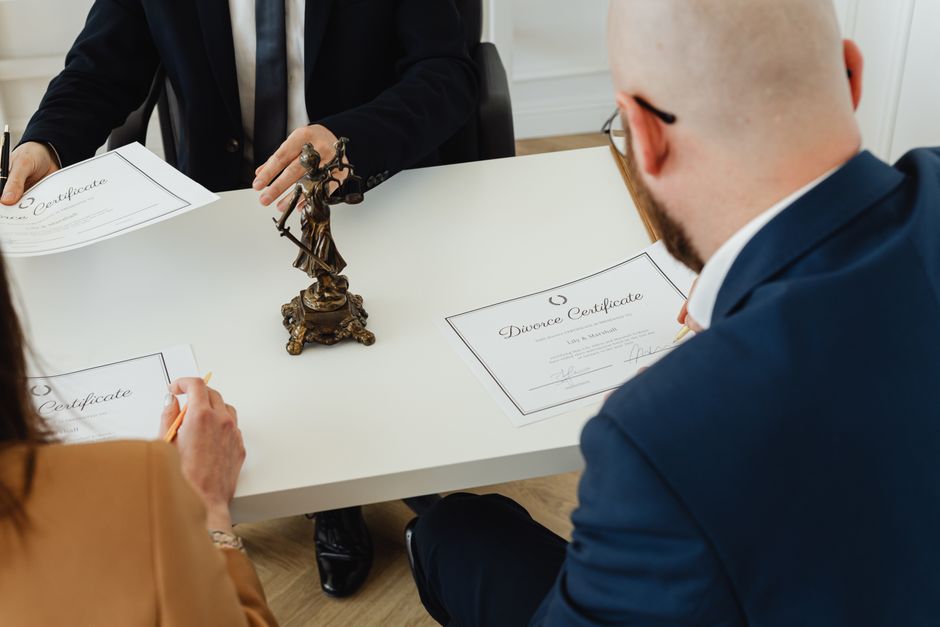
Family Law
Best 20 Divorce Attorneys in California: A Complete Guide
A complete guide to California divorce law and the 20 most respected divorce attorneys and firms across the state, covering costs, timelines, and how to choose the right lawyer for your case.

By
Going through a divorce is stressful enough without having to guess whether your lawyer actually knows what they’re doing. If you’re searching for divorce attorneys in California, you already understand that this state has some of the most complex family law rules in the country, from community property division to spousal support calculations that can vary wildly by county. This guide breaks down what separates a great divorce attorney from an average one, how California divorce law actually works, and profiles 20 respected firms and attorneys across the state that consistently earn strong reputations for handling everything from simple uncontested splits to high-asset, high-conflict cases.
By the end of this article, you’ll know exactly what to look for in a consultation, roughly what to expect to pay, and which type of attorney fits your specific situation, whether that’s a military divorce in San Diego, a business valuation dispute in the Bay Area, or a straightforward uncontested filing you’d rather handle affordably.
Understanding Divorce Law in California
California is a community property state. That single fact shapes almost every financial decision made during a divorce. In practice, it means that most assets and debts acquired during the marriage are split 50/50, regardless of whose name is on the title or who earned the income. Separate property, meaning anything owned before the marriage or received individually as a gift or inheritance, generally stays with the original owner, but proving what counts as separate property can get complicated fast.
California is also a no-fault divorce state. You don’t need to prove wrongdoing to file. The two legal grounds are
For related reading, see our guide on Best 20 Divorce Attorneys in California (2025 Guide).
irreconcilable differences, which covers the vast majority of filings, and permanent legal incapacity to make decisions, which is rarely used and requires medical documentation. Because fault doesn’t factor into asset division or the divorce decision itself, California courts focus almost entirely on separating property fairly, determining child custody and support based on the best interests of the children, and calculating spousal support when appropriate. This no-fault structure tends to keep proceedings less adversarial than in some other states, though that doesn’t mean every California divorce is simple. High-asset cases, business ownership, complex custody arrangements, and disputes over separate versus community property can still make a case drag on for a year or longer.
Residency Requirements and How Filing Works
Before you can file for divorce in California, either you or your spouse must have lived in the state for at least six months and in the county where you’re filing for at least three months. If you don’t meet the residency requirement yet, you can still file for a legal separation, which doesn’t require the same waiting period, and later convert it to a divorce once residency is established.
The process itself begins when one spouse, called the petitioner, files a Petition for Dissolution of Marriage along with a summons. The other spouse, the respondent, then has 30 days to file a response. From there, both spouses exchange financial disclosures detailing income, assets, debts, and expenses. This step is mandatory and often gets overlooked by people trying to handle a divorce without legal help, which is one of the most common reasons DIY divorces run into trouble later on.
How Long Does a Divorce Take in California?
California imposes a mandatory six-month waiting period from the date the respondent is served before a divorce can be finalized, even if both spouses agree on every single issue. That means the fastest possible timeline for an uncontested divorce is six months, though most take longer once you factor in paperwork, court scheduling, and negotiation.
Contested divorces, especially those involving custody disputes, business valuations, or hidden asset allegations, can take anywhere from one to three years to resolve. This is where the choice of attorney matters most. A skilled divorce lawyer who knows how to keep negotiations moving, avoid unnecessary court dates, and push back against delay tactics can shave months off a case that might otherwise stall out.
Types of Divorce Cases in California
Not every divorce looks the same, and the right attorney for one type of case might not be the best fit for another. Understanding which category your situation falls into will help you narrow down your search considerably.
Uncontested Divorce
Both spouses agree on custody, support, and property division. These cases move fastest and often only require a flat-fee attorney or document preparation service to review paperwork and make sure everything is filed correctly.
Contested Divorce
One or more major issues remain unresolved. This is where litigation-focused attorneys earn their fees, representing clients in depositions, hearings, and if necessary, trial.
Mediated Divorce
Instead of a judge deciding contested issues, a neutral third-party mediator helps both spouses reach an agreement together. This tends to be faster and cheaper than litigation, and many family law attorneys either mediate directly or work alongside mediators.
Collaborative Divorce
Each spouse retains their own attorney, but everyone commits in writing to resolving the divorce without going to court. Financial experts and child specialists are often brought in as needed. This approach tends to suit couples who want privacy and are willing to cooperate but still want independent legal representation.
High-Net-Worth or High-Conflict Divorce
These cases involve significant assets, business interests, real estate portfolios, or serious disagreements over custody. They require attorneys with deep experience in forensic accounting, valuation of closely held businesses, and, in some cases, coordination with tax professionals.
What Separates a Great Divorce Attorney From an Average One
Anyone can put “family law” on a website. What actually matters is how an attorney performs once your case gets complicated. Here’s what to look for.
Specialization in family law, not a general practice. Divorce law touches tax code, real estate, retirement accounts, and child psychology all at once. Attorneys who split their time between family law and unrelated practice areas rarely develop the depth needed for complex cases.
Clear, upfront communication about cost. The best attorneys explain their fee structure, likely total cost range, and billing practices during the very first consultation, without pressuring you to sign immediately.
A track record with cases similar to yours. An attorney who mostly handles quick uncontested filings may not be the right choice for a business valuation dispute, and vice versa. Ask directly about their experience with cases like yours.
Realistic expectations, not empty promises. Be cautious of any attorney who guarantees a specific custody outcome or promises to “destroy” your spouse in court. Good attorneys are honest about strengths, weaknesses, and likely outcomes based on California law.
Responsiveness. Divorce cases move on tight deadlines. An attorney who takes a week to return calls during the discovery phase can cost you time and leverage.
Average Cost of a Divorce Attorney in California
Cost varies enormously depending on complexity, location, and whether the case is contested. As a general guide:
Uncontested, flat-fee divorces: $1,500 to $5,000 total, often including document preparation and filing.
Mediated divorces: $3,000 to $10,000 total for both spouses combined, split between mediation fees and any independent legal review.
Contested divorces with moderate complexity: $10,000 to $30,000 per spouse, depending on how many issues remain disputed and how much court time is required.
High-conflict or high-net-worth cases: $50,000 to $200,000 or more per spouse, particularly when forensic accountants, custody evaluators, or business valuation experts are involved.
Hourly rates for California divorce attorneys typically range from $300 to $650 per hour, with attorneys in major metro areas like Los Angeles, San Francisco, and San Diego generally charging more than those in smaller cities like Fresno or Bakersfield. Many firms require a retainer upfront, ranging from $2,500 for simpler matters to $25,000 or more for complex litigation.
Questions to Ask During Your Initial Consultation
Most divorce attorneys offer a free or low-cost initial consultation, and how they answer these questions will tell you a lot about whether they’re the right fit.
- How many cases similar to mine have you handled in the past two years?
- What is your fee structure, and what’s included versus billed separately?
- Who else on your team will be working on my case, and at what rate?
- What’s a realistic timeline for a case like mine?
- How do you typically communicate with clients, and how quickly can I expect a response?
- Do you recommend mediation or collaborative divorce for my situation, or do you think litigation is more likely?
The Best 20 Divorce Attorneys in California
The following firms and attorneys represent a cross-section of California’s family law landscape, from boutique high-net-worth practices in Beverly Hills to accessible, mediation-focused firms in the Central Valley. Locations, fee structures, and case focus vary, so use this list as a starting point for your own research and consultations rather than a final decision.
1. Walzer Melcher & Yoder LLP (Woodland Hills)
Widely regarded as one of the top firms for high-net-worth divorces in Southern California, this firm regularly handles cases involving complex business valuations, entertainment industry income, and significant real estate holdings. Their attorneys frequently appear on statewide “best of” lists for family law.
2. Bickford Blado & Botros (Irvine and Newport Beach)
Known for a strong litigation team paired with a mediation practice, this Orange County firm handles everything from custody disputes to high-asset property division, giving clients flexibility depending on how their case evolves.
3. Feinberg Mindel Brandt & Klein LLP (Los Angeles)
A boutique firm with decades of combined experience representing high-profile clients in complex, high-conflict divorces, including cases involving substantial business interests and international assets.
4. Hodes Milman LLP (Irvine)
While the firm handles a range of civil matters, its family law division is respected for approachable, client-focused representation in both mediated and contested cases throughout Orange County.
5. Nachshin & Weston LLP (Los Angeles and Woodland Hills)
This firm’s founders are known for combining trial experience with a preference for resolving cases efficiently whenever possible, making them a solid choice for clients who want strong representation without unnecessary escalation.
6. Malin Haley DiMaggio Bowen (San Diego)
A San Diego-based firm with a reputation for handling military divorces, a significant consideration given the concentration of active-duty families connected to the region’s naval and Marine Corps bases.
7. Cage & Miles, LLP (San Diego)
Offering both mediation and litigation services, this firm is frequently recommended for clients who want a team capable of shifting strategy if a case that starts out amicable becomes contested.
8. Malakoff, Ferrigno + Cronin (Encino)
This Encino firm specializes almost exclusively in complex marital dissolution matters, including detailed forensic accounting work for clients with significant hidden or hard-to-value assets.
9. Malouf Law (Santa Barbara and Ventura County)
A smaller, client-focused firm known for personalized attention on cases ranging from straightforward uncontested filings to more involved custody negotiations along the Central Coast.
10. Malissa Seely-Brown Law (Riverside)
Serving the Inland Empire, this practice is often recommended for clients seeking a more affordable alternative to Los Angeles or Orange County rates while still receiving dedicated, experienced representation.
11. Malhotra Law Group (San Jose and Palo Alto)
With a strong presence in Silicon Valley, this firm has developed particular expertise in dividing stock options, RSUs, and other tech-industry compensation structures that frequently complicate Bay Area divorces.
12. Family Law Offices of Cassandra Mackey (Sacramento)
A Sacramento-based practice known for strong advocacy in custody-focused cases, with a track record of representing parents in contentious co-parenting disputes throughout the region.
13. Divorce Law Group of Ronald Supancic (Valencia and Santa Clarita)
One of the more established names in the Santa Clarita Valley, this practice is frequently cited for its collaborative divorce work and its focus on minimizing the emotional toll of the process on children.
14. Malhotra & Peterson Family Law (Fresno)
Serving the Central Valley, this firm is known for handling a high volume of cases efficiently, making it a practical option for clients in Fresno and surrounding agricultural communities who need cost-effective representation.
15. Boyd Law San Diego
With multiple California offices, Boyd Law is known for representing clients across the full spectrum of family law matters, including divorce, custody, and domestic violence-related filings.
16. Minyard Morris LLP (Newport Beach)
Almost exclusively focused on high-net-worth divorce litigation, this Orange County firm is frequently recommended for business owners and executives navigating complex asset division.
17. Malouf & Nockels (Oakland)
Serving the East Bay, this firm is known for a balanced approach that favors negotiated settlements while maintaining the litigation capability needed when a case can’t be resolved amicably.
18. Law Office of Judy L. Burger (San Francisco and Marin County)
Known for representing clients in emotionally difficult, high-conflict custody cases, including matters involving allegations of domestic violence or substance abuse.
19. Antonyan Miranda LLP (San Diego)
A firm with a strong reputation in both family law and related civil litigation, often recommended for clients whose divorce intersects with business partnership disputes.
20. Law Offices of Renkin & Associates (Bakersfield)
Rounding out the list, this Kern County firm is a go-to choice for clients in the Bakersfield area who want experienced representation without the premium pricing found in coastal metro markets.
If you’re researching options across the state more broadly, our companion resource on divorce attorneys in California breaks down additional firms by region and case type, which can be useful if none of the above are located near you.
How to Choose the Right Attorney for Your Situation
With so many strong options across the state, the decision often comes down to matching your specific circumstances to an attorney’s actual strengths rather than picking whoever has the flashiest website. Start by being honest with yourself about how contested your case is likely to become. If you and your spouse largely agree, a mediation-focused attorney or even a document preparation service will save you significant money compared to a litigation-heavy firm. If there are major disputes over custody, business assets, or support, you’ll want someone with real trial experience, even if you hope it never gets that far.
Location matters more than people expect, too. While many attorneys can appear in courts outside their home county, local knowledge of specific judges, court staff, and scheduling tendencies can genuinely speed up a case. An attorney who regularly appears in your specific courthouse often has an advantage over one flying in from another region.
Finally, pay attention to how you feel after the initial consultation. Divorce is stressful enough without an attorney who makes you feel rushed, judged, or unheard. The right fit should leave you feeling informed and a little more in control of a situation that often feels chaotic.
DIY Divorce vs. Hiring an Attorney
For very simple, truly uncontested cases with no children, no real estate, and minimal shared debt, some Californians choose to file on their own using court self-help resources or online document preparation services. This can save thousands of dollars, but it comes with real risk. Even a seemingly simple divorce can create long-term problems if retirement accounts aren’t divided correctly, if support calculations are off, or if paperwork errors delay finalization by months.
A middle-ground option many people overlook is a limited-scope or “unbundled” legal service, where an attorney reviews your paperwork, advises you on specific issues, or represents you for a single hearing without taking on the entire case. This can be a smart way to get professional guidance while keeping costs manageable, particularly for uncontested or lightly contested divorces.
Red Flags to Watch For When Hiring a Divorce Attorney
Not every attorney who advertises family law services will serve your interests well. Watch for firms that seem to prioritize volume over attention, where you rarely speak to the actual attorney handling your case and instead deal exclusively with paralegals or case managers. Be wary of vague fee agreements that don’t clearly spell out hourly rates, retainer replenishment policies, or what counts as a billable task. And take note if an attorney seems overly eager to escalate conflict rather than exploring settlement, since prolonged litigation tends to benefit the attorney’s billable hours more than it benefits you.
Frequently Asked Questions
How much does a divorce attorney cost in California?
Costs range widely, from around $1,500 for a simple uncontested flat-fee divorce to $50,000 or more per spouse for high-conflict or high-net-worth cases involving business valuations and extensive litigation. Hourly rates typically fall between $300 and $650.
How long does a divorce take in California?
California requires a mandatory six-month waiting period from the date of service, even for fully uncontested cases. Contested divorces involving custody or asset disputes can take one to three years to fully resolve.
Do I need a lawyer for an uncontested divorce in California?
Not necessarily. Many couples with no children, minimal assets, and full agreement on all terms file using court self-help resources or document preparation services. However, even simple cases can benefit from a limited-scope attorney review to catch costly mistakes.
What is community property, and how does it affect my divorce?
California is a community property state, meaning most assets and debts acquired during the marriage are generally split 50/50 regardless of whose name is on the title. Property owned before the marriage or received individually as a gift or inheritance is typically considered separate property, though proving this can require documentation.
Should I choose mediation or a traditional attorney for my divorce?
If you and your spouse agree on most major issues and want to avoid court, mediation is often faster and less expensive. If there are significant disputes over custody, support, or asset division, a traditional attorney with litigation experience will better protect your interests.
Final Thoughts
Choosing a divorce attorney in California is rarely a decision to rush. The right lawyer can mean the difference between a process that resolves in six efficient months and one that drags on for years while costs pile up. Whether your situation calls for a high-powered litigator in Beverly Hills, a mediation-focused attorney in the Bay Area, or an affordable, dedicated practice in the Central Valley, the 20 firms and attorneys outlined above represent some of the strongest options across the state. Take the time to schedule a few consultations, ask direct questions about cost and strategy, and trust your instincts about who genuinely has your best interests, and your family’s future, at heart.